
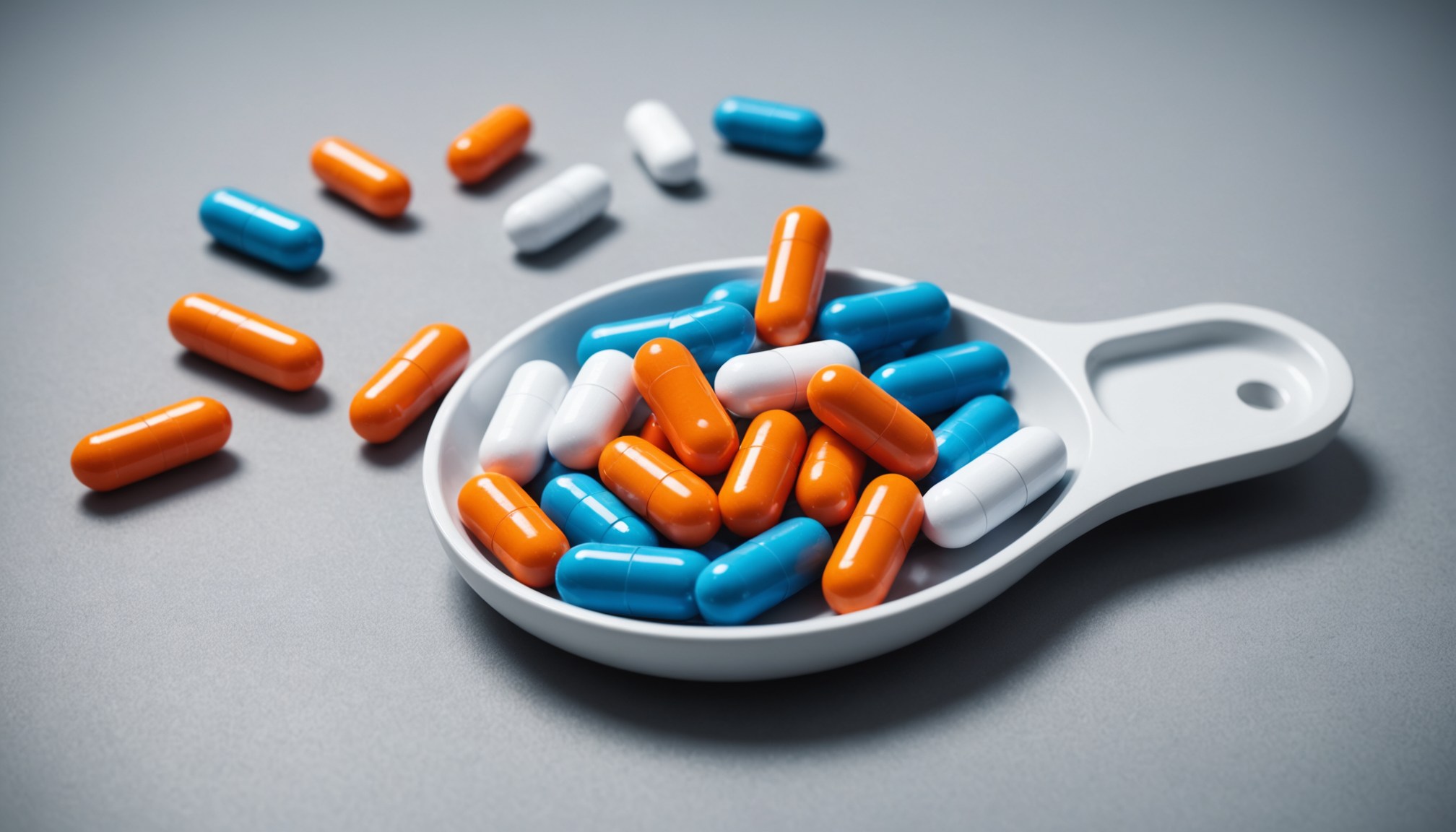
Best pills for erection
Disclaimer: This article is for educational purposes only and does not replace advice from a qualified healthcare professional. Erectile problems can have multiple causes; a clinician can help identify what’s appropriate for you.
Basics: what it is
When people search for the best pills for erection, they are usually referring to oral medicines used to treat erectile dysfunction (ED)—the ongoing difficulty in getting or keeping an erection firm enough for sexual activity. The most established options are prescription medications called PDE5 inhibitors. These drugs support the body’s natural erection process by improving blood flow to penile tissue during sexual stimulation.
ED is common and often treatable. Causes can include blood vessel disease, diabetes, hormonal changes, nerve injury, certain medications, stress, anxiety, and lifestyle factors. Pills can be effective, but they work best when matched to the underlying cause and used safely.
Symptoms and signs
- Difficulty achieving an erection: Takes longer than usual or doesn’t occur despite arousal.
- Difficulty maintaining an erection: Erection fades before or during intercourse.
- Reduced rigidity: Erection occurs but is not firm enough.
- Lower sexual confidence: Worry or avoidance related to performance.
- Associated health clues: Fatigue, low libido, chest pain on exertion, or numbness may point to systemic causes.
Similar conditions: how to differentiate
| Condition | Key features | How it differs from ED |
|---|---|---|
| Low libido | Reduced sexual desire | Desire is low; erections may still occur |
| Premature ejaculation | Early climax | Erection quality may be normal |
| Peyronie’s disease | Penile curvature, pain | Structural issue rather than blood flow |
| Performance anxiety | Situational difficulty | Erections may be normal during sleep/masturbation |
Diagnosis
Clinicians typically start with a medical and sexual history, medication review, and focused physical exam. Common checks include:
- Cardiovascular risk: Blood pressure, cholesterol, diabetes screening.
- Hormones: Morning testosterone when indicated.
- Medication effects: Antidepressants, blood pressure drugs, and others.
- Psychological factors: Stress, anxiety, depression.
- Additional tests: As needed (e.g., nocturnal erection testing, vascular studies).
What usually helps
Oral prescription pills (PDE5 inhibitors) are first-line for many men. They do not create an automatic erection; sexual stimulation is required.
- Sildenafil (often known by a brand name): Onset in about 30–60 minutes; duration ~4 hours.
- Tadalafil: Longer duration (up to 36 hours); may allow more spontaneity.
- Vardenafil: Similar onset/duration to sildenafil for some users.
- Avanafil: Faster onset for certain men.
Non‑pill supports can improve outcomes and sometimes reduce reliance on medication:
- Lifestyle changes (exercise, weight management, sleep, smoking cessation).
- Managing chronic conditions (diabetes, hypertension).
- Counseling for stress or performance anxiety.
- Other medical options when pills aren’t suitable (vacuum devices, injections, hormone therapy when indicated).
For readers navigating our broader site, you may also find related wellness discussions alongside entertainment sections like 1win casino spanish, technology areas such as Android Apps & Games, or international hubs including 1xbet india and Mostbet Russia.
How PDE5 inhibitors work (plain language)
They block an enzyme (PDE5) that limits blood flow. By blocking it, blood vessels relax more during arousal, allowing stronger erections.
Safety and common side effects
Headache, flushing, nasal congestion, and indigestion are common. Serious side effects are rare but require urgent care.
Who should avoid these pills
Men using nitrates for chest pain or certain heart conditions should not use PDE5 inhibitors due to dangerous blood pressure drops.
Alcohol and food interactions
Heavy alcohol can reduce effectiveness. High‑fat meals may delay onset for some options.
Expectations and timing
Trying a medication on several occasions under guidance helps determine effectiveness; anxiety on first use can blunt results.
Supplements vs. prescription pills
Over‑the‑counter “male enhancement” supplements are not regulated like medicines and may be ineffective or unsafe.
FAQ
Which are considered the best pills for erection?
Prescription PDE5 inhibitors (sildenafil, tadalafil, vardenafil, avanafil) have the strongest evidence.
Do these pills increase desire?
No. They improve blood flow; desire is influenced by hormones and psychology.
How quickly do they work?
Typically 15–60 minutes, depending on the medication and individual factors.
Can young men use them?
Yes, when ED is present and a clinician confirms safety.
Are daily options available?
Some formulations allow daily use at lower strength under medical guidance.
What if pills don’t work?
Review technique, timing, underlying causes, or consider alternative treatments with a professional.
Are online pills safe?
Counterfeit products are common. Use licensed pharmacies.
Can ED signal heart disease?
Yes. ED can precede cardiovascular symptoms, so evaluation is important.
Sources
- American Urological Association (AUA) – Erectile Dysfunction Guidelines
- European Association of Urology (EAU) – Sexual and Reproductive Health Guidelines
- National Institutes of Health (NIH) – MedlinePlus: Erectile Dysfunction
- Mayo Clinic – Erectile dysfunction overview
- U.S. Food & Drug Administration (FDA) – PDE5 inhibitor safety information